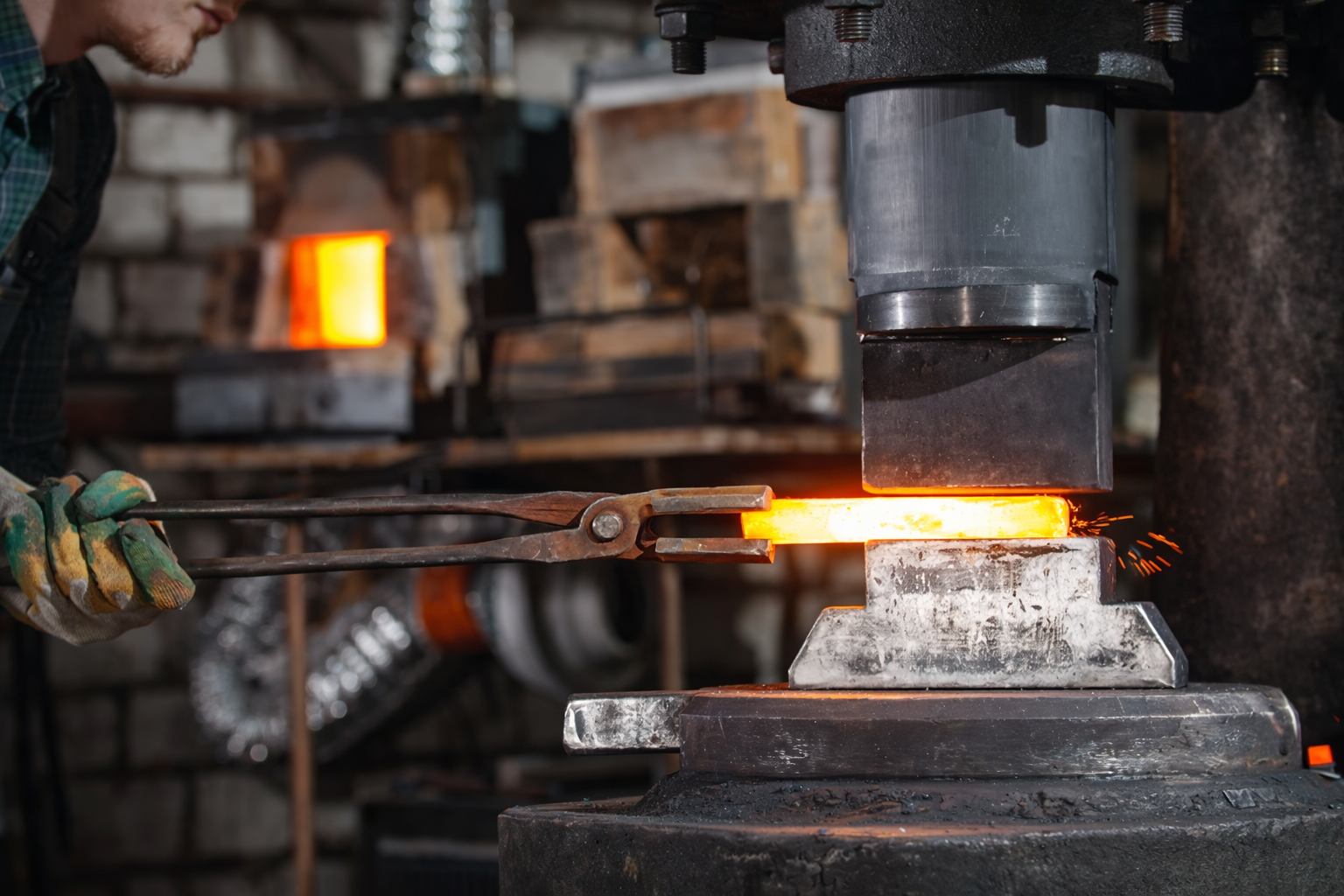
REEM™ 8020
REEM™ 8020 represents a significant advancement in structural alloy design, combining flame stabilization with exceptional mechanical performance. Its formulation leverages rare-earth (RE) and calcium (Ca) grain boundary stabilization, which minimizes grain coarsening and enhances thermal stability under high‑temperature conditions. The oxide film reinforcement further strengthens the alloy’s surface integrity, reducing susceptibility to oxidation and corrosion while improving fatigue resistance. This microstructural refinement allows REEM™ 8020 to maintain its strength and stiffness even in demanding environments, making it ideal for applications where both lightweight construction and fire resistance are critical. Beyond its metallurgical innovations, REEM™ 8020’s performance metrics underscore its versatility across multiple industries. With a density of 1.78 g/cm³, it offers a superior strength‑to‑weight ratio compared to conventional aluminum or titanium alloys. Its tensile and yield strengths—ranging from 375 to 415 MPa and 270 to 315 MPa respectively—ensure robust load‑bearing capacity, while its fatigue strength of 185 to 205 MPa supports long‑term durability under cyclic stress. The alloy’s ignition temperature of 600 to 650 °C provides a critical safety margin against combustion in high‑heat environments. These properties collectively position REEM™ 8020 as a next‑generation material solution for aerospace, defense, automotive, and energy systems requiring both mechanical excellence and flame resistance.
ALLOY Structure
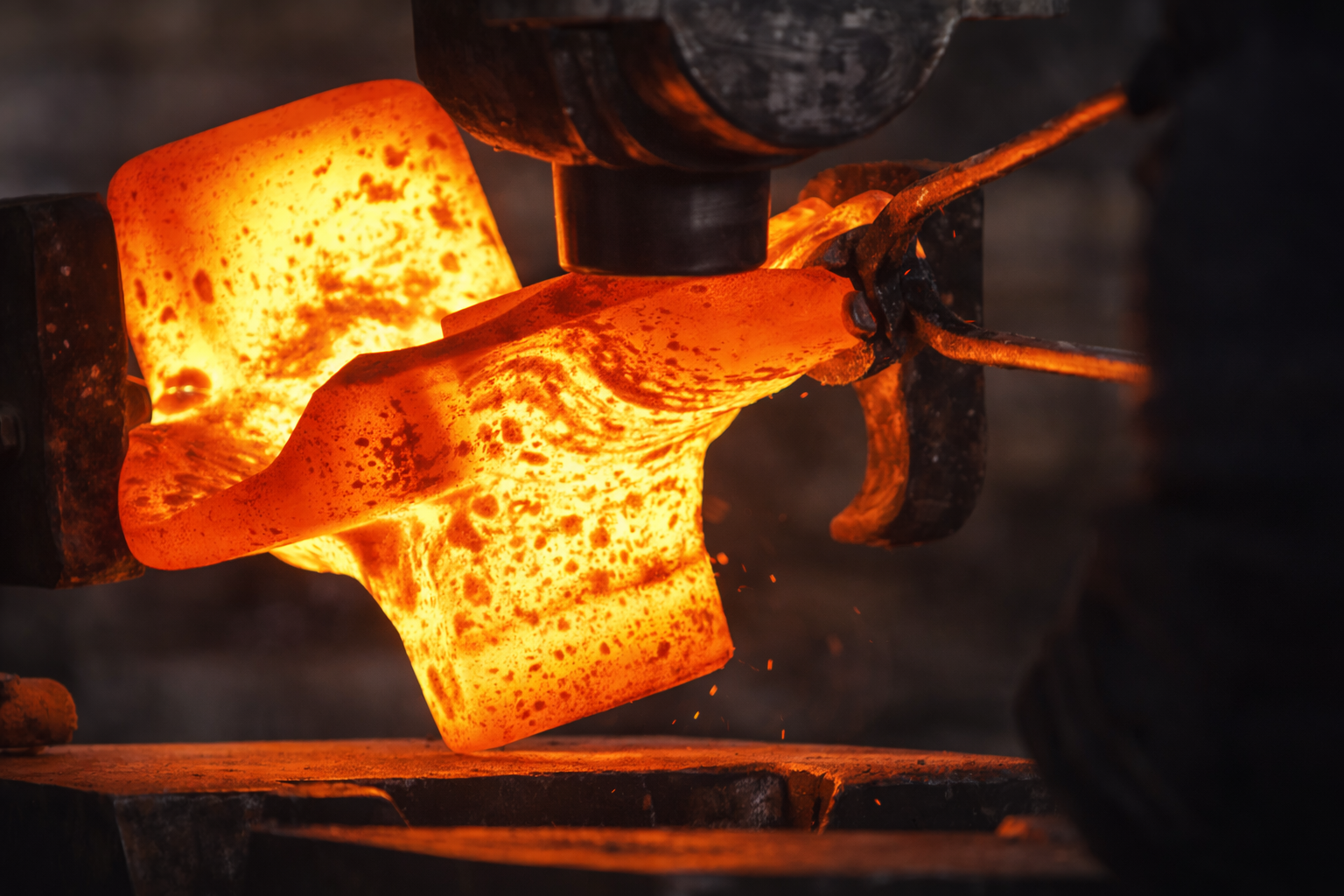
REEM™ 8020 is a flame‑stabilized alloy engineered around a refined α‑Mg matrix that is strengthened through the formation of RE–Ca–modified intermetallic phases. During extrusion, the alloy undergoes highly active dynamic recrystallization, producing a fine grain structure on the order of 3–8 µm. Rare‑earth and calcium additions accelerate DRX kinetics while simultaneously pinning migrating grain boundaries, preventing excessive grain growth. This combination yields a microstructure that remains stable under thermal and mechanical loading, allowing the alloy to retain strength, stiffness, and dimensional stability even in demanding service environments. Beyond grain refinement, REEM™ 8020 benefits from a suite of secondary phases—including Mg‑Al, Al‑RE, Mg‑Ca, and Mg‑RE compounds—that contribute to precipitation hardening and reinforce grain boundaries against deformation and crack initiation. These phases also enhance oxidation behavior, forming more protective surface films that improve ignition resistance. Together, these microstructural features create a robust framework that supports the alloy’s elevated tensile strength, superior fatigue performance, and significantly improved ignition characteristics compared with conventional magnesium alloys, making REEM™ 8020 well‑suited for next‑generation lightweight structural applications.
-
REEM™ 8020 is a flame-stabilized magnesium alloy that must be cast exclusively into feedstock form as its primary manufacturing route. Due to its reactive nature and the need to preserve its RE–Ca–modified intermetallic architecture, direct component casting is not viable. Instead, REEM™ 8020 is engineered for post-processing workflows that begin with controlled feedstock casting—typically into billets, rods, or powder precursors.
-
REEM™ 8020 responds well to solution treatment and aging to reach peak strength. Solutionizing dissolves solute‑rich phases and homogenizes the matrix. Tailored aging schedules balance yield strength, UTS, and ductility, supporting optimized mechanical properties.
-
Forging of REEM™ 8020 (from cast or FAST‑consolidated billets) improves toughness, fatigue performance, and dimensional stability. Moderate strain rates help maintain primary and secondary phase stability with little to no grain coarsening. Closed‑die or open‑die forging can achieve near‑net geometries for brackets, housings, and load‑bearing components where strength and rigidity are demanded without the risk of hot cracking.
-
REEM™ 8020 demonstrates excellent extrusion behavior. RE additions reduce flow stress and promote uniform DRX, enabling fine grains and high strength. Extrusion processing (equipment agnostic) can be tuned to deliver optimized mechanical properties exceeding the MDS projections through high process ratios (up to 28:1, size dependent) with grain reduction and alignment at a affordable cost. However, hollow shapes are not capable using this system.
-
Powder‑bed fusion (e.g., SLM) and binder jet routes are applicable but limited to REEM™ 8020 for lattices, conformal channels, and complex internal features not achievable by machining. Parameter optimization focuses on densification, microcrack suppression, and oxidation control. Post isostatic pressing and heat treatment can reduce porosity and optimize mechanical properties. Printed parts can be finish‑machined to final tolerance and surface quality.
-
FAST enables rapid densification of REEM™ 8020 powder under simultaneous electrical current and pressure, producing dense billets with refined grains and stable intermetallic phases. FAST is particularly effective as a billet‑consolidation step prior to extrusion or forging. FAST can also form complex near‑net shapes that are finished via CNC machining to tight tolerances. Additive 3D designs are possible through leveraging atomic migration theory, fusing individual sections with expedient cycle times, no interfacial boundary formation, no grain growth, and no post sintering requirements.
-
REEM™ 8020 machines cleanly with conventional tooling. The alloy’s inherent lattice structure supports tight tolerances and consistent surface finishes across turning, milling, drilling, and threading with feeds and speeds that drastically exceed modern aluminum machining. Standard coolant and chip‑control practices are sufficient, while post‑machining stress‑relief or peening is typically not required and thermal warpage in micron-tolerance components is nearly nonexistent.
-
Weldability is limited and requires compatible filler metals and appropriate shielding gas to preserve oxidation resistance. Pre‑weld cleaning and controlled heat input reduce defect formation and microstructural softening adjacent to the fusion zone. Where practical, designers should prefer mechanical joining or weld‑free architectures; if welding is essential, procedure qualification is recommended.
-
REEM™ 8020 is compatible with anodizing, electrophoretic coatings, conversion coatings, and metal plating to enhance corrosion resistance and wear durability. Anodizing improves surface hardness and corrosion resistance; e‑coats offer uniform coverage on complex geometries; conversion coatings promote paint/adhesive bond strength; and nickel, copper, zinc, tin, or chrome plating provides additional wear and corrosion protection. In marine or galvanically aggressive environments, coatings and isolation strategies are recommended to manage corrosion risk.
Monocoque Central Fuselage Spine

A highly suitable large‑scale structural application for REEM™ 8020 is the primary monocoque fuselage spine of a heavy‑lift hybrid‑VTOL cargo drone in the 150–300 kg MTOW class. This component forms the central load‑bearing structure that ties together the wing box, VTOL booms, landing gear, and payload bay. The spine must resist bending, torsion, and vibration from distributed electric propulsion while maintaining dimensional stability under thermal cycling from batteries, inverters, and high‑current busbars. REEM™ 8020’s high tensile strength (~375–415 MPa) and optimized modulus (~49–53 GPa) allow the fuselage spine to be manufactured as a thin‑wall extruded or forged monolithic beam, replacing multi‑piece aluminum assemblies with a lighter, stiffer, and more fatigue‑resistant structure. The alloy’s fine 3–8 µm grain structure and ~185–205 MPa fatigue strength support long‑duration missions with continuous rotor‑induced vibration and aerodynamic loading. Its enhanced ignition resistance (600–650 °C) and RE–Ca‑stabilized oxide film provide a safety margin when the spine is integrated near thermal sources such as battery trays, cooling ducts, or hybrid‑engine exhaust paths. Because REEM™ 8020 machines exceptionally well, the spine can incorporate integrated hardpoints, rail channels, embedded cooling passages, and precision interfaces for modular payload pods or avionics bays without secondary weldments. The alloy’s excellent extrusion behavior enables long, constant‑section beams up to several meters, while forging can be used for thicker, high‑load junctions such as wing‑root nodes or VTOL‑arm sockets.
Propulsion & Sensor Keel Module

REEM™ 8020 is well‑suited for use as the integrated propulsion and sensor keel module in a medium‑to‑large marine drone, where it functions as the primary structural backbone carrying thruster loads, battery trays, power‑electronics mounts, and sonar or navigation‑sensor clusters. The alloy’s high tensile strength, optimized stiffness, and ~185–205 MPa fatigue performance allow the keel to withstand continuous wave‑induced vibration, maneuvering forces, and long‑duration cyclic loading, while its low density enables a lighter hull with improved endurance and payload capacity. REEM™ 8020’s RE–Ca‑stabilized oxide film and improved corrosion behavior make it viable in seawater when paired with anodizing, conversion coatings, or plating, and its elevated ignition resistance (~600–650 °C) provides a safety margin for components operating near warm battery enclosures or high‑current busbars. Because the alloy extrudes and machines exceptionally well, the keel can be produced as a single, long, thin‑wall structural extrusion with integrated cable channels, cooling passages, and precision sensor pockets, reducing welds and simplifying assembly. This combination of strength, fatigue resistance, corrosion stability, and manufacturability makes REEM™ 8020 an excellent choice for a lightweight, high‑stiffness structural module in advanced unmanned marine systems.
Upper Modules for Next-Generation Small-Arms Platforms
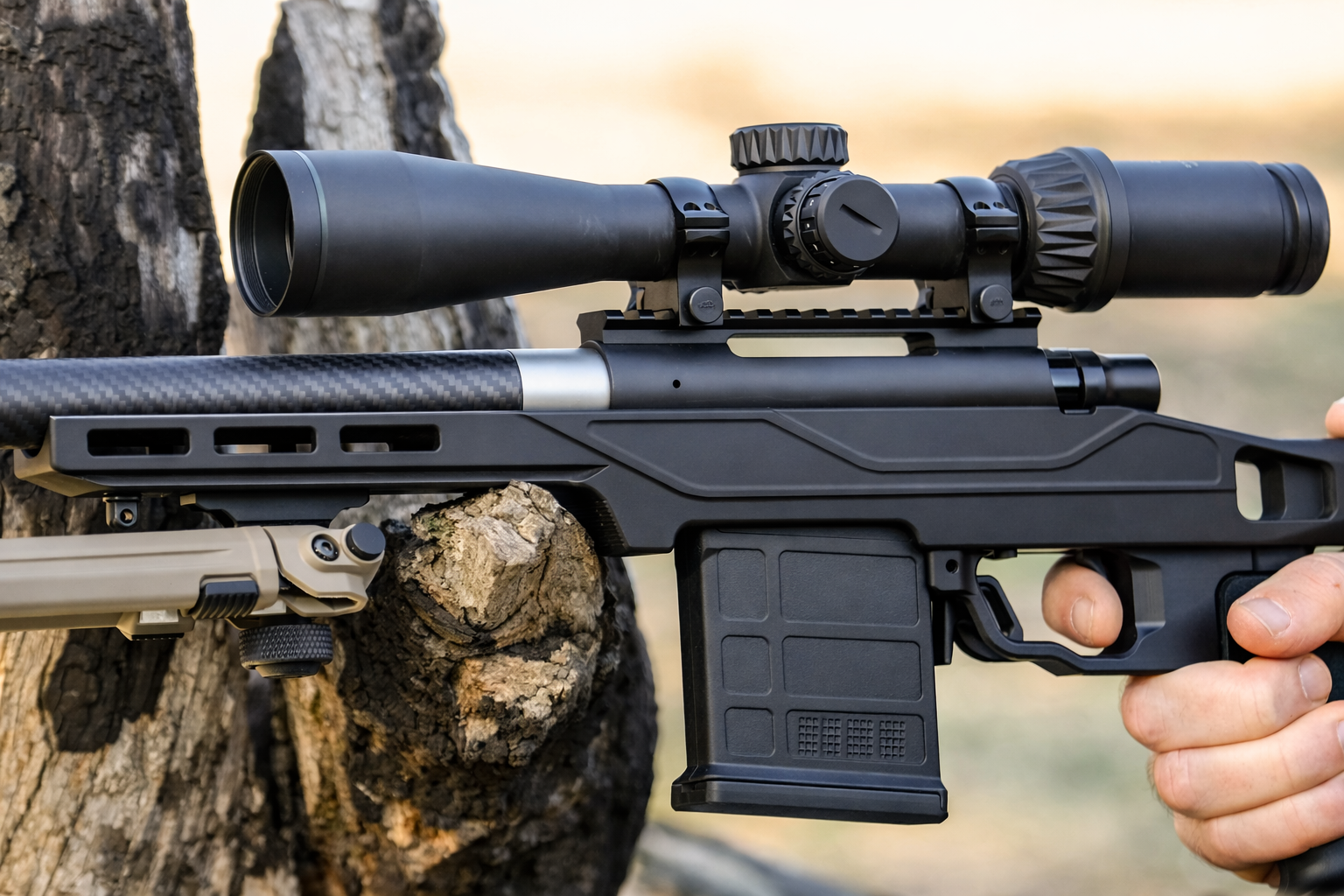
REEM™ 8020 is an excellent candidate for a lightweight structural receiver extension and optic‑mounting upper module in next‑generation small‑arms platforms, where stiffness, fatigue resistance, and thermal robustness are critical. Its ~375–415 MPa tensile strength, ~49–53 GPa modulus, and ~185–205 MPa fatigue strength allow the alloy to maintain alignment between the barrel, bolt carrier group, and sighting system under rapid‑fire vibration, recoil impulses, and long‑duration cyclic loading. The alloy’s fine 3–8 µm grain structure and RE–Ca‑stabilized oxide film contribute to dimensional stability during sustained firing, while its ~600–650 °C ignition resistance provides a meaningful safety margin for components positioned near hot gas systems, suppressor‑adjacent surfaces, or thermal bleed‑off from high‑rate firing. REEM™ 8020’s excellent machinability enables the integration of precision rail geometries, bearing surfaces, and internal guide channels without distortion or post‑machining warpage, supporting tight tolerances for bolt travel and optic alignment. When extruded or forged into a monolithic upper module, REEM™ 8020 delivers a rigid, lightweight structural backbone that improves weapon balance, reduces operator fatigue, and enhances accuracy retention across demanding firing schedules.
Energy‑ Storage Mounting Cradle
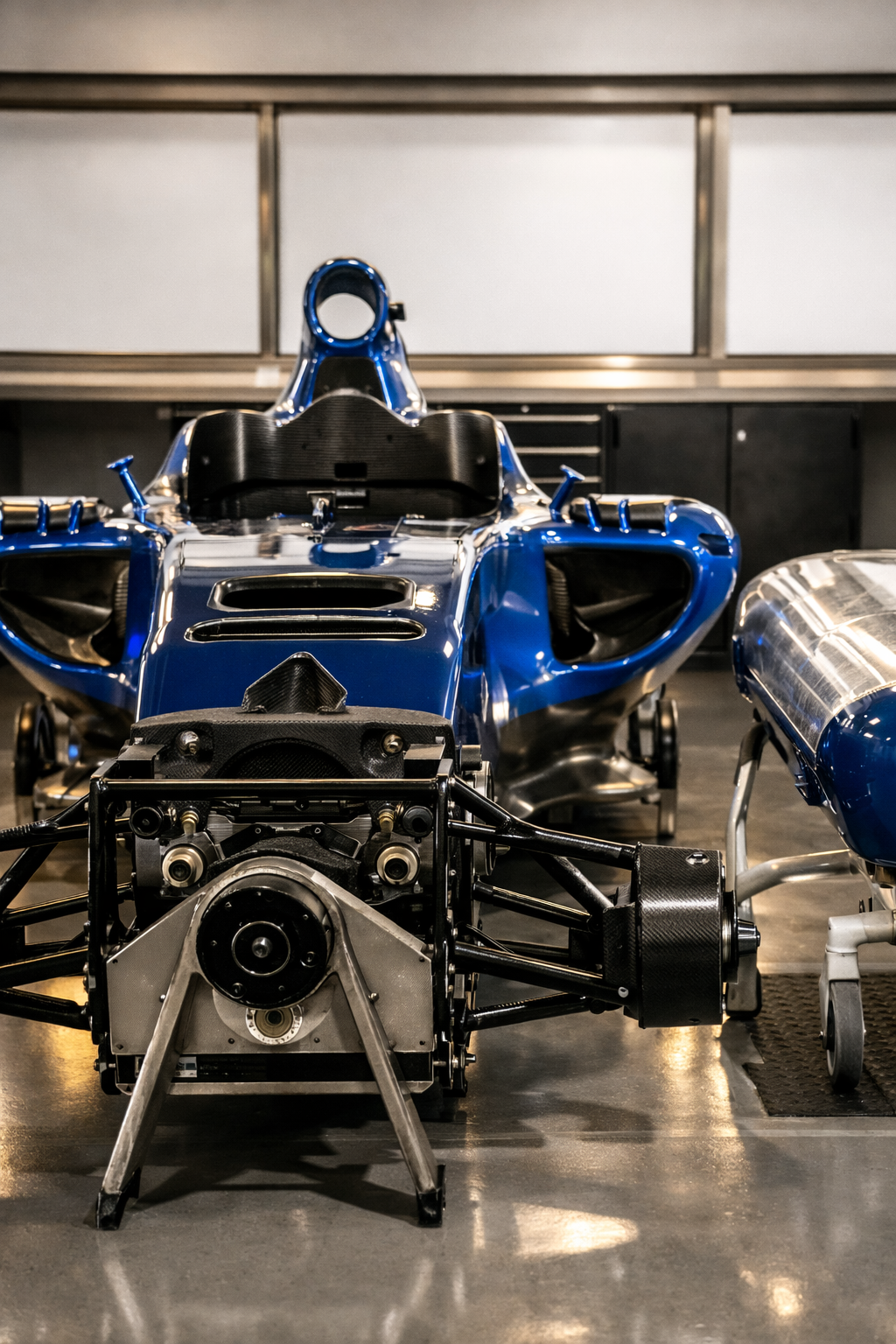
A compelling Formula 1 application for REEM™ 8020 is a structural inverter and energy‑storage mounting cradle integrated into the survival cell and sidepod region, where stiffness, weight, and thermal robustness are all critical. REEM™ 8020’s ~375–415 MPa tensile strength, ~270–315 MPa yield strength, and ~49–53 GPa modulus enable a thin‑wall, high‑stiffness cradle that securely supports the inverter, DC‑DC converters, busbars, and ancillary power electronics while maintaining precise alignment under high‑G cornering, curb strikes, and continuous vibration. Its ~185–205 MPa fatigue strength and fine 3–8 µm grain structure help resist crack initiation and growth over long race distances and repeated load cycles, while the alloy’s enhanced ignition resistance (~600–650 °C) and RE–Ca‑stabilized oxide film provide a safety margin in tightly packaged, thermally congested zones adjacent to radiators, exhaust plumbing, and high‑temperature cooling loops. With excellent machinability and extrusion behavior, REEM™ 8020 allows the cradle to be produced as a highly optimized, topology‑driven structure with integrated cable channels, cooling interfaces, and hardpoints for quick‑release mounts, minimizing secondary brackets and welds. This combination of low density (1.78 g/cm³), high stiffness, flame stability, and manufacturing flexibility makes REEM™ 8020 an attractive material for F1‑grade structural power‑electronics architectures where every gram and every degree of thermal margin matters.