REEM™ 6120
Modern lightweight platforms are placing increasing pressure on materials to deliver meaningful reductions in mass without sacrificing strength, fatigue resistance, or ignition performance. Traditional magnesium alloys help meet weight targets but frequently fall short due to limited flame resistance, coarse microstructures, and vulnerability to corrosion. REEM™ 6120 is a high‑performance, flame‑stabilized alloy developed for structural environments that demand high strength, optimized stiffness, improved corrosion resistance, and enhanced ignition resistance. Through RE–Ca grain‑boundary stabilization and oxide‑film reinforcement, the alloy forms a fine, thermally stable microstructure that supports strong fatigue performance and greater environmental durability. With a density of 1.80 g/cm³, tensile strength of ~375–400 MPa, yield strength of ~255–300 MPa, fatigue strength of ~132–150 MPa, and an ignition temperature of ~550–600 °C, REEM™ 6120 delivers a lightweight, flame‑resistant solution for aerospace, defense, automotive, energy, and industrial systems.
ALLOY Structure

REEM™ 6120 is a flame-stabilized structural alloy engineered around a fine α-Mg matrix reinforced by RE–Ca–modified intermetallic phases. In the extruded condition, the alloy exhibits a refined grain structure of approximately 4–12 µm, with strong DRX activity and boundary pinning. Rare-earth and calcium additions intensify DRX kinetics, promoting earlier nucleation and effective grain-boundary pinning, which results in a uniform, equiaxed microstructure with enhanced thermal stability. The alloy’s secondary phases—including Mg–RE, Mg–Ca, and Al–RE compounds—contribute to precipitation hardening and grain-boundary reinforcement, while also improving oxidation resistance through the formation of a stabilized surface oxide film. This microstructural framework underpins REEM™ 6120’s elevated tensile and fatigue strength, dimensional stability under thermal load, and resistance to ignition at elevated temperatures. The combination of fine grain size, robust intermetallic architecture, and stabilized oxide behavior makes REEM™ 6120 well-suited for aerospace and defense applications requiring lightweight, high-strength materials with enhanced thermal durability.
-
REEM™ 6120 is a flame-stabilized magnesium alloy that must be cast exclusively into feedstock form as its primary manufacturing route. Due to its reactive nature and the need to preserve its RE–Ca–modified intermetallic architecture, direct component casting is not viable. Instead, REEM™ 6120 is engineered for post-processing workflows that begin with controlled feedstock casting—typically into billets, rods, or powder precursors.
-
REEM™ 6120 exhibits strong responsiveness to thermal treatment, particularly through solutionizing and aging protocols designed to optimize its mechanical performance. The alloy’s microstructure—anchored by a fine α-Mg matrix and RE–Ca–modified intermetallic phases—can be tuned via controlled heat treatment to enhance strength, ductility, and thermal stability.
-
Forging of REEM™ 6120 (from cast or FAST‑consolidated billets) improves toughness, fatigue performance, and dimensional stability. Moderate strain rates help maintain primary and secondary phase stability with little to no grain coarsening. Closed‑die or open‑die forging can achieve near‑net geometries for brackets, housings, and load‑bearing components where strength and rigidity are demanded without the risk of hot cracking.
-
REEM™ 6120 demonstrates excellent extrusion behavior. RE additions reduce flow stress and promote uniform DRX, enabling fine grains and high strength. Extrusion processing (equipment agnostic) can be tuned to deliver optimized mechanical properties exceeding the MDS projections through high process ratios (up to 22:1, size dependent) with grain reduction and alignment at a affordable cost.
-
Powder‑bed fusion (e.g., SLM) and binder jet routes are applicable but limited to REEM™ 6120 for lattices, conformal channels, and complex internal features not achievable by machining. Parameter optimization focuses on densification, microcrack suppression, and oxidation control. Post isostatic pressing and heat treatment can reduce porosity and optimize mechanical properties. Printed parts can be finish‑machined to final tolerance and surface quality.
-
FAST enables rapid densification of REEM™ 6120 powder under simultaneous electrical current and pressure, producing dense billets with refined grains and stable intermetallic phases. FAST is particularly effective as a billet‑consolidation step prior to extrusion or forging. Additive 3D designs are possible through leveraging atomic migration theory, fusing individual sections with expedient cycle times, no interfacial boundary formation, no grain growth, and no post sintering requirements.
-
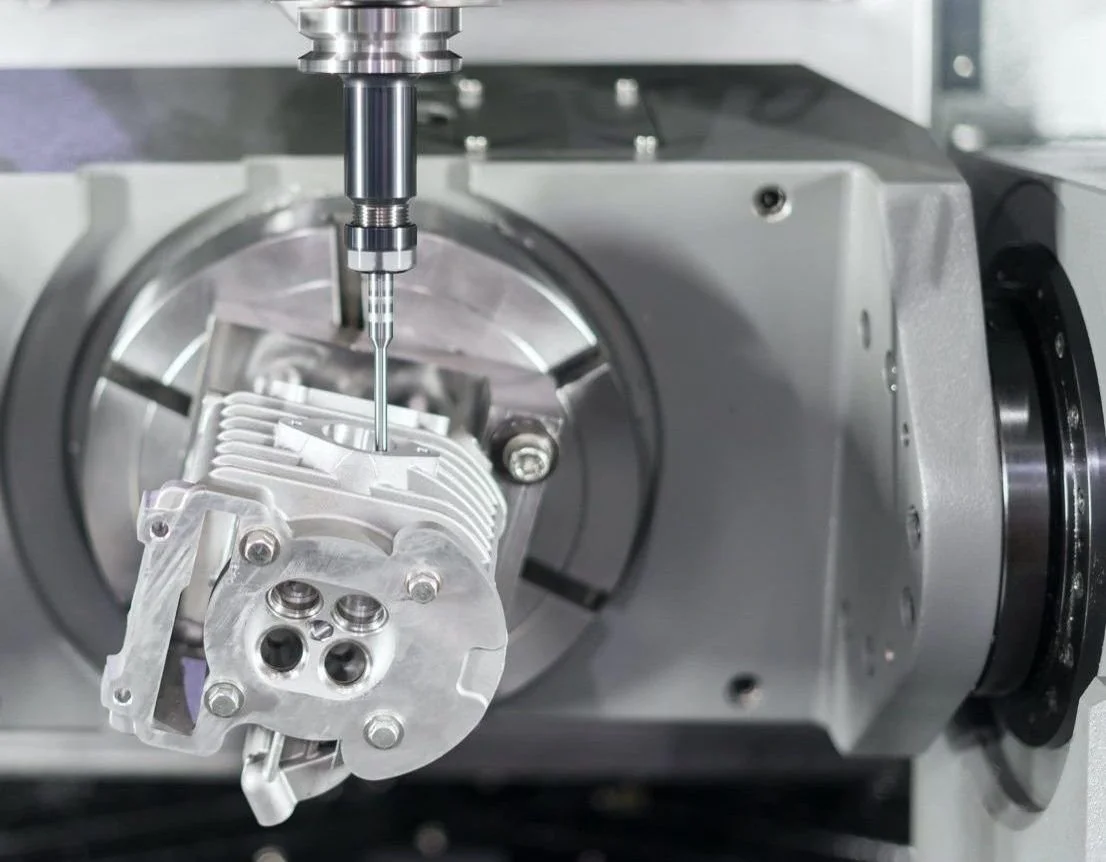
REEM™ 6120 machines cleanly with conventional tooling. The alloy’s inherent lattice structure supports tight tolerances and consistent surface finishes across turning, milling, drilling, and threading with feeds and speeds that drastically exceed modern aluminum machining. Standard coolant and chip‑control practices are sufficient, while post‑machining stress‑relief or peening is typically not required and thermal warpage in micron-tolerance components is nearly nonexistent.
-
Weldability is limited and requires compatible filler metals and appropriate shielding gas to preserve oxidation resistance. Pre‑weld cleaning and controlled heat input reduce defect formation and microstructural softening adjacent to the fusion zone. Where practical, designers should prefer mechanical joining or weld‑free architectures; if welding is essential, procedure qualification is recommended.
-
REEM™ 6120 is compatible with anodizing, electrophoretic coatings, conversion coatings, and metal plating to enhance corrosion resistance and wear durability. Anodizing improves surface hardness and corrosion resistance; e‑coats offer uniform coverage on complex geometries; conversion coatings promote paint/adhesive bond strength; and nickel, copper, zinc, tin, or chrome plating provides additional wear and corrosion protection. In marine or galvanically aggressive environments, coatings and isolation strategies are recommended to manage corrosion risk.
Sensor‑ Mast Support Structure

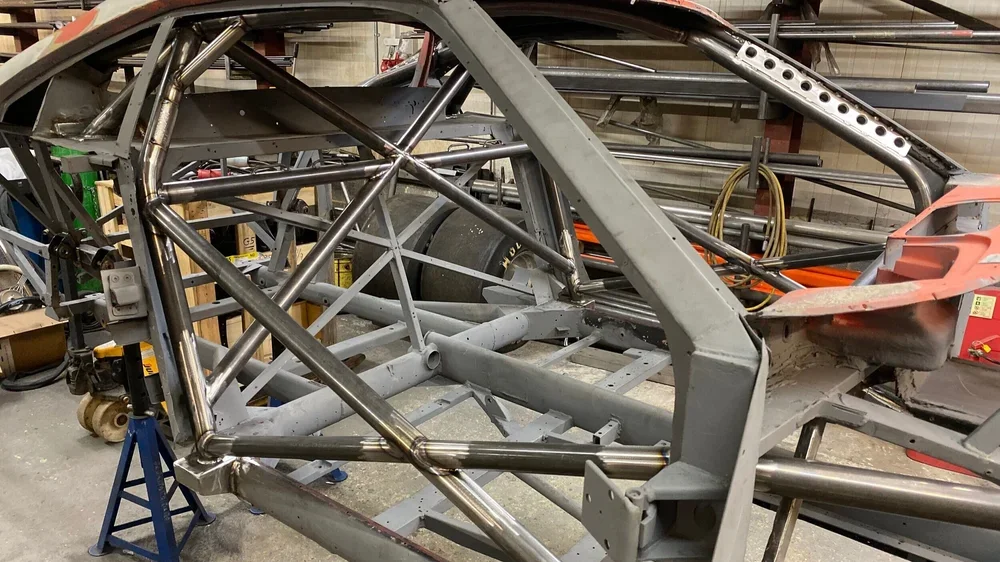
REEM™ 6120’s ~375–400 MPa tensile strength, ~49–51 GPa modulus, and ~132–150 MPa fatigue strength make it ideal for a structural bracket that must hold avionics, mission computers, or stabilized sensor masts with minimal deflection during high‑G maneuvers, gust loading, and long‑duration vibration. Its enhanced ignition resistance (~550–600 °C) and RE‑Ca–stabilized oxide film give it a meaningful safety margin when mounted near heat‑generating components such as power converters, cooling ducts, or exhaust‑adjacent fuselage bays. The alloy’s excellent machinability allows precise interfaces for fasteners, vibration‑isolating bushings, and alignment features required for EO/IR or SATCOM sensor masts. Meanwhile, its 1.80 g/cm³ density keeps the mass of the avionics bay low, improving endurance and center‑of‑gravity stability—critical for long‑range ISR UAVs.
Electro- Optical Sight Housing
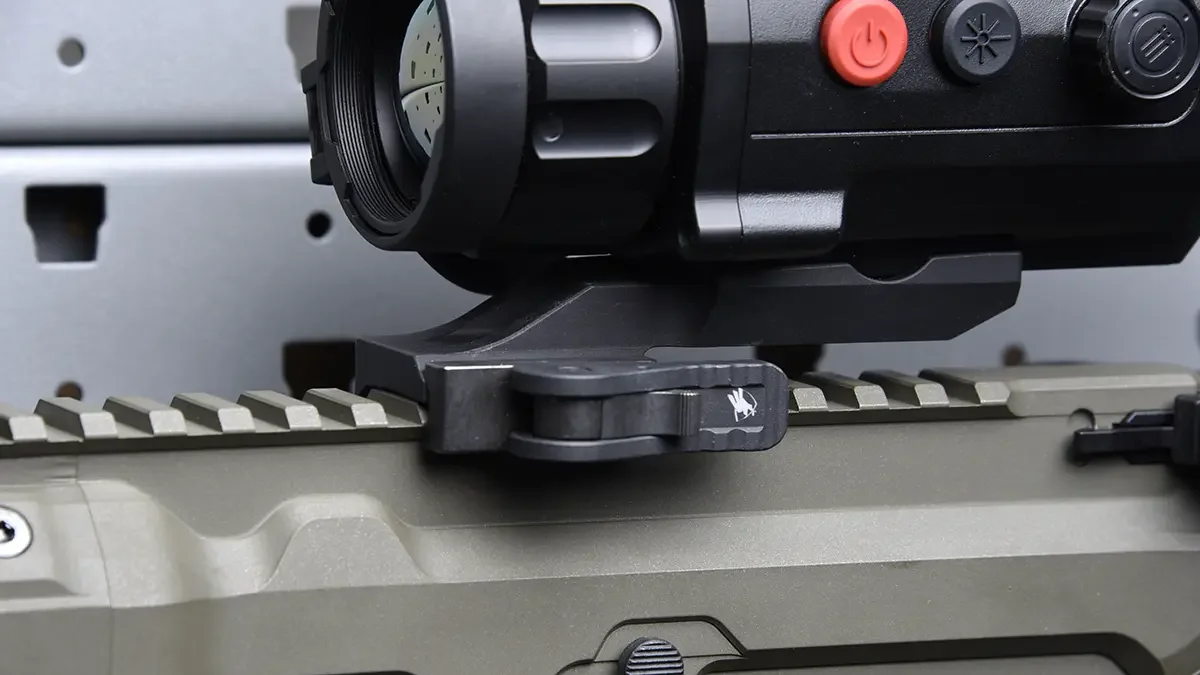
REEM™ 6120 delivers ~375–400 MPa tensile strength, ~49–51 GPa modulus, and ~132–150 MPa fatigue strength, giving the optic housing the rigidity needed to maintain boresight under recoil, vibration, and rapid‑fire shock. Its enhanced ignition resistance (~550–600 °C) and RE‑Ca–stabilized oxide film make it ideal for optics mounted close to hot barrels, suppressors, or gas systems, where conventional magnesium alloys would be more vulnerable. The alloy’s excellent machinability supports precise bearing seats, lens‑tube interfaces, actuator mounts, and dovetail/rail geometries, while its 1.80 g/cm³ density keeps the entire sighting system exceptionally light—improving weapon balance and reducing operator fatigue. This makes REEM™ 6120 a strong candidate for next‑generation lightweight EO/IR or day‑optic housings, especially those incorporating internal stabilization or thermal‑adjacent electronics.
Drive‑Cage Support Frame
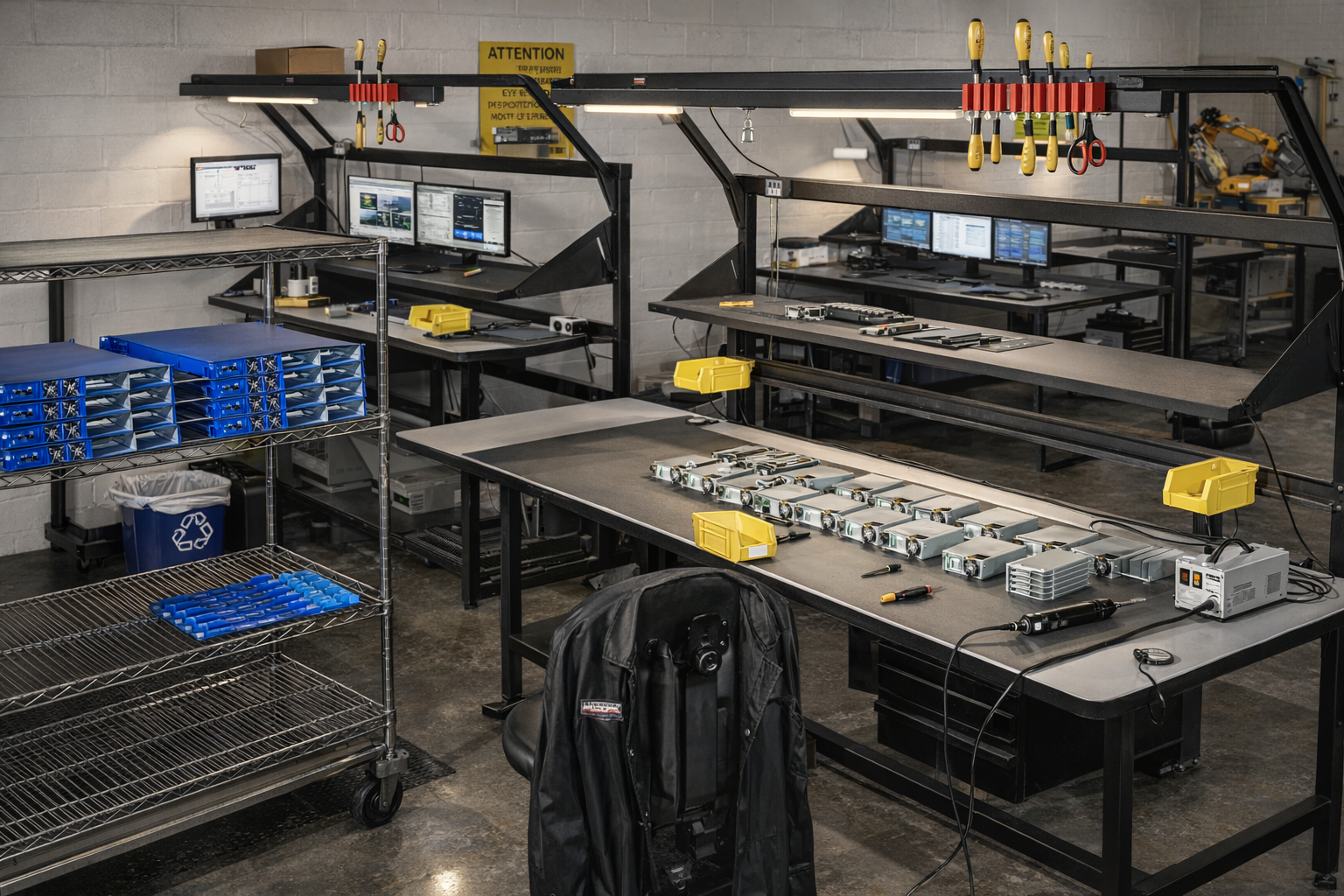
REEM™ 6120 combines ~375–400 MPa tensile strength, ~49–51 GPa modulus, and excellent machinability, which makes it ideal for rigid, thin‑wall structural elements inside server racks where airflow, vibration control, and thermal stability matter. Its enhanced ignition resistance (~550–600 °C) and RE‑Ca–stabilized oxide film give it a meaningful safety margin in hot zones near NVMe drive banks, VRMs, power‑distribution modules, and high‑speed cooling channels. Because the alloy’s density is only 1.80 g/cm³, the resulting brackets and frames significantly reduce chassis mass—useful for modular blade servers, edge‑compute nodes, and airborne or mobile data‑center platforms where weight is a constraint. The alloy’s fatigue strength (~132–150 MPa) also helps these components withstand continuous fan vibration and thermal cycling without distortion, keeping airflow geometry and drive alignment stable over long service intervals.
Power ElectronicMounting Cradle
REEM™ 6120 brings ~375–400 MPa tensile strength, ~49–51 GPa modulus, and excellent machinability, which makes it ideal for a rigid but lightweight structural cradle that supports the inverter, DC‑DC converter, onboard charger, and high‑current busbars. These components generate substantial localized heat, and REEM™ 6120’s enhanced ignition resistance (~550–600 °C) and RE‑Ca–stabilized oxide film give it a meaningful safety margin compared to conventional magnesium alloys. Its 1.80 g/cm³ density helps reduce mass high in the chassis, improving center‑of‑gravity and transient handling—especially important in performance EVs where packaging is tight and every kilogram matters. The alloy’s fatigue strength (~132–150 MPa) also helps the cradle withstand continuous vibration from road inputs and motor harmonics without distortion, keeping cooling channels, electrical interfaces, and mounting geometry stable over long service intervals.